



Plus, receive recommendations and exclusive offers on all of your favorite books and authors from Simon & Schuster.
Table of Contents
About The Book
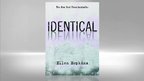
Beneath their perfect family façade, twin sisters struggle alone with impossible circumstances and their own demons until they finally learn to fight for each other in this poignant tour de force from #1 New York Times bestselling author Ellen Hopkins.
Sixteen-year-old Kaeleigh and Raeanne are identical down to the dimple. As daughters of a district court judge father and a politician mother, they are an all-American family…on the surface. Underneath run very deep and damaging secrets. What really happened in the car accident that Daddy caused? And why is Mom never home, always running far away to pursue some new dream?
The girls themselves have become hopelessly divided over the years. Sick of losing Daddy’s game of favorites, Raeanne turns to painkillers, alcohol, and sex to dull her pain her anger. Kaeleigh tries to be her father’s perfect little flower, but being the misplaced focus of his sexual attention has her seeking control anywhere she can—even if it means cutting herself and unhealthy binge and purge eating.
Secrets like the ones the twins are harboring are not meant to be kept—from each other or anyone else. Before long, it's obvious that neither sister can handle their problems alone, and one must step up to save the other, but the question is…who?
Sixteen-year-old Kaeleigh and Raeanne are identical down to the dimple. As daughters of a district court judge father and a politician mother, they are an all-American family…on the surface. Underneath run very deep and damaging secrets. What really happened in the car accident that Daddy caused? And why is Mom never home, always running far away to pursue some new dream?
The girls themselves have become hopelessly divided over the years. Sick of losing Daddy’s game of favorites, Raeanne turns to painkillers, alcohol, and sex to dull her pain her anger. Kaeleigh tries to be her father’s perfect little flower, but being the misplaced focus of his sexual attention has her seeking control anywhere she can—even if it means cutting herself and unhealthy binge and purge eating.
Secrets like the ones the twins are harboring are not meant to be kept—from each other or anyone else. Before long, it's obvious that neither sister can handle their problems alone, and one must step up to save the other, but the question is…who?
Reading Group Guide
Get a FREE ebook by joining our mailing list today! Plus, receive recommendations for your next Book Club read.
By clicking 'Sign me up' I agree to the Terms of Use and acknowledge the Privacy Policy and Notice of Financial Incentive. Free ebook offer available to NEW US subscribers only. Offer redeemable at Simon & Schuster's ebook fulfillment partner. Must redeem within 90 days. See full terms and conditions and this month's choices.
A Reading Group Guide to Identical by Ellen Hopkins
ABOUT THE BOOK
Kaeleigh and Raeanne Gardella, identical twins, live in a posh California neighborhood. Their father is a well-known district court judge and their mother a politician. On the surface they are the perfect American family, but beneath the façade lies a damaged family. Raeanne is the aggressive twin, the one who is sexually promiscuous—giving sex in return for drugs; she craves sexual attention from anyone, including her father. Kaeleigh is the quiet one, the one most like her mother, and the victim of her father’s sexual advances. Haunted by this, Kaeleigh has difficulty letting any boy close and deals with her pain by cutting. Torn apart by a tragic event, the twins’ parents hardly speak. Their mother spends her time on the campaign trail; their father lives at home where he drinks, abuses Oxycontin, and controls his daughters’ every move—from the clothes they wear to the places they go. Both girls have an eating disorder, and as they spiral into more dangerous depths, the story takes a surprising twist. One twin will need to step up. But who?
PREREADING ACTIVITY
What would it feel like to harbor a secret that could hurt another person should it be revealed?
How might you support a friend who had a family secret that would send one of his/her family members to jail?
What responsibility do we have to friends who may be abused by other friends or family members?
DISCUSSION QUESTIONS
In what ways are Raeanne and Kaeleigh similar? How are they different?
Raeanne and Kaeleigh are drawn to different kinds of boys. How are the boys different, and why do the girls connect with them?
Who is Greta Sorenson, and what role does she play in Kaeleigh’s life?
Raeanne and Kaeleigh have different reactions to their mother’s absence. Explain.
Raeanne tells herself that having sex makes her powerful. Would you agree?
The twin’s father is a district judge. On the surface he appears to be a strong person; however, underneath he is weak. What accounts for his fear and insecurity?
Characterize the twin’s mother. How has she changed since the accident?
Raeanne and Kaeleigh do not seem close. In fact, communication between them is virtually nonexistent. Explain how this lack of dialogue makes sense at the end of the story. Is it more difficult for readers to keep the girls “separate” toward the end of the story? If so, why might that be?
Ian saves Raeanne and Kaeleigh from further sexual abuse by Ty. How might he have known where Ty lived and that the twins might be there?
Raeanne seems to thrive off sexual encounters, and Kaeleigh is afraid of sexual intimacy. Given what you know about their relationship with their father, what might account for their opposite reactions?
How does Raeanne meet her grandfather, and what does she learn from him? If there were a sequel to the story, what might Raeanne’s or Kaeleigh’s relationship with him be like?
Why does the girls’ grandmother call, and why is their father so angry with his own mother?
Both girls are confused by the meaning of love. Kaeleigh comments, “But how do I give what has always been taken”, and later she says, “love is always defined by ulterior motive”. How do these comments illustrate her confusion? What experiences will the girls need in order to understand healthy relationships?
Hopkins places clues to a family tragedy throughout the story. By story’s end, the reader knows about an accident that has driven the family apart and understands events in the father’s childhood that accounts for his sexual advances on his own daughter. Explain the family tragedy and the emotional and psychological damage that is passed down from generation to generation.
Hopkins moves the story forward with the use of flashback. Through flashback, readers learn about the father’s attraction to Kaeleigh and Raeanne’s disappointment as a child that her father didn’t choose her. Flashback is also used to inform the reader about another family tragedy. If Hopkins had not used flashback, how else might she have conveyed the horror of the girls’ childhood? Would another technique have been as effective? Explain.
What can readers learn about the cycle of abuse that runs through three generations, beginning with the grandmother’s alcoholism, the father’s childhood abuse, his treatment of his daughters, and their emotional state? Without treatment, what kind of relationships might each girl maintain later in life?
ACTIVITIES
Research the abuse of prescription drugs. What prescription drugs are most commonly abused and why? Identify popular prescription drug and alcohol combinations that are potentially lethal. Develop a podcast on the dangers of mixing drugs and alcohol.
Choose one of the twins and develop an argument that she has better coping skills than her sister.
Research the characteristics and causes of eating disorders, as well as their treatments, and present your findings using any appropriate media (PowerPoint, wiki, website, blog, etc).
Personal tragedy can strain family relationships. Research resources for dealing with a family tragedy and develop a brochure or website on resources available to families who experience a family crisis.
Guide prepared by Pam B. Cole, Professor of English Education & Literacy, Kennesaw State University, Kennesaw, GA.
This guide has been provided by Simon & Schuster for classroom, library, and reading group use. It may be reproduced in its entirety or excerpted for these purposes.
ABOUT THE BOOK
Kaeleigh and Raeanne Gardella, identical twins, live in a posh California neighborhood. Their father is a well-known district court judge and their mother a politician. On the surface they are the perfect American family, but beneath the façade lies a damaged family. Raeanne is the aggressive twin, the one who is sexually promiscuous—giving sex in return for drugs; she craves sexual attention from anyone, including her father. Kaeleigh is the quiet one, the one most like her mother, and the victim of her father’s sexual advances. Haunted by this, Kaeleigh has difficulty letting any boy close and deals with her pain by cutting. Torn apart by a tragic event, the twins’ parents hardly speak. Their mother spends her time on the campaign trail; their father lives at home where he drinks, abuses Oxycontin, and controls his daughters’ every move—from the clothes they wear to the places they go. Both girls have an eating disorder, and as they spiral into more dangerous depths, the story takes a surprising twist. One twin will need to step up. But who?
PREREADING ACTIVITY
What would it feel like to harbor a secret that could hurt another person should it be revealed?
How might you support a friend who had a family secret that would send one of his/her family members to jail?
What responsibility do we have to friends who may be abused by other friends or family members?
DISCUSSION QUESTIONS
In what ways are Raeanne and Kaeleigh similar? How are they different?
Raeanne and Kaeleigh are drawn to different kinds of boys. How are the boys different, and why do the girls connect with them?
Who is Greta Sorenson, and what role does she play in Kaeleigh’s life?
Raeanne and Kaeleigh have different reactions to their mother’s absence. Explain.
Raeanne tells herself that having sex makes her powerful. Would you agree?
The twin’s father is a district judge. On the surface he appears to be a strong person; however, underneath he is weak. What accounts for his fear and insecurity?
Characterize the twin’s mother. How has she changed since the accident?
Raeanne and Kaeleigh do not seem close. In fact, communication between them is virtually nonexistent. Explain how this lack of dialogue makes sense at the end of the story. Is it more difficult for readers to keep the girls “separate” toward the end of the story? If so, why might that be?
Ian saves Raeanne and Kaeleigh from further sexual abuse by Ty. How might he have known where Ty lived and that the twins might be there?
Raeanne seems to thrive off sexual encounters, and Kaeleigh is afraid of sexual intimacy. Given what you know about their relationship with their father, what might account for their opposite reactions?
How does Raeanne meet her grandfather, and what does she learn from him? If there were a sequel to the story, what might Raeanne’s or Kaeleigh’s relationship with him be like?
Why does the girls’ grandmother call, and why is their father so angry with his own mother?
Both girls are confused by the meaning of love. Kaeleigh comments, “But how do I give what has always been taken”, and later she says, “love is always defined by ulterior motive”. How do these comments illustrate her confusion? What experiences will the girls need in order to understand healthy relationships?
Hopkins places clues to a family tragedy throughout the story. By story’s end, the reader knows about an accident that has driven the family apart and understands events in the father’s childhood that accounts for his sexual advances on his own daughter. Explain the family tragedy and the emotional and psychological damage that is passed down from generation to generation.
Hopkins moves the story forward with the use of flashback. Through flashback, readers learn about the father’s attraction to Kaeleigh and Raeanne’s disappointment as a child that her father didn’t choose her. Flashback is also used to inform the reader about another family tragedy. If Hopkins had not used flashback, how else might she have conveyed the horror of the girls’ childhood? Would another technique have been as effective? Explain.
What can readers learn about the cycle of abuse that runs through three generations, beginning with the grandmother’s alcoholism, the father’s childhood abuse, his treatment of his daughters, and their emotional state? Without treatment, what kind of relationships might each girl maintain later in life?
ACTIVITIES
Research the abuse of prescription drugs. What prescription drugs are most commonly abused and why? Identify popular prescription drug and alcohol combinations that are potentially lethal. Develop a podcast on the dangers of mixing drugs and alcohol.
Choose one of the twins and develop an argument that she has better coping skills than her sister.
Research the characteristics and causes of eating disorders, as well as their treatments, and present your findings using any appropriate media (PowerPoint, wiki, website, blog, etc).
Personal tragedy can strain family relationships. Research resources for dealing with a family tragedy and develop a brochure or website on resources available to families who experience a family crisis.
Guide prepared by Pam B. Cole, Professor of English Education & Literacy, Kennesaw State University, Kennesaw, GA.
This guide has been provided by Simon & Schuster for classroom, library, and reading group use. It may be reproduced in its entirety or excerpted for these purposes.
About The Author
Sonya Sones
Ellen Hopkins is the #1 New York Times bestselling author of numerous young adult novels, as well as the adult novels such as Triangles, Collateral, and Love Lies Beneath. She lives with her family in Carson City, Nevada, where she has founded Ventana Sierra, a nonprofit youth housing and resource initiative. Follow her on Twitter at @EllenHopkinsLit.
Product Details
- Publisher: Margaret K. McElderry Books (August 26, 2008)
- Length: 576 pages
- ISBN13: 9781416950059
- Grades: 9 and up
- Ages: 14 - 99
- Lexile ® HL590L The Lexile reading levels have been certified by the Lexile developer, MetaMetrics®
Browse Related Books
Awards and Honors
- ALA Quick Picks for Reluctant Young Adult Readers
- NYPL Best Books for Teens
- Pacific Northwest Young Reader's Choice Award Master List
- Joan F. Kaywell Book Award - Honoree (FL
- ALA Popular Paperbacks for Young Adults - Top Ten
- ALA/YALSA Teens' Top Ten List
Resources and Downloads
Activity Sheets
High Resolution Images
- Book Cover Image (jpg): Identical Hardcover 9781416950059
- Author Photo (jpg): Ellen Hopkins Sonya Sones(0.1 MB)
Any use of an author photo must include its respective photo credit